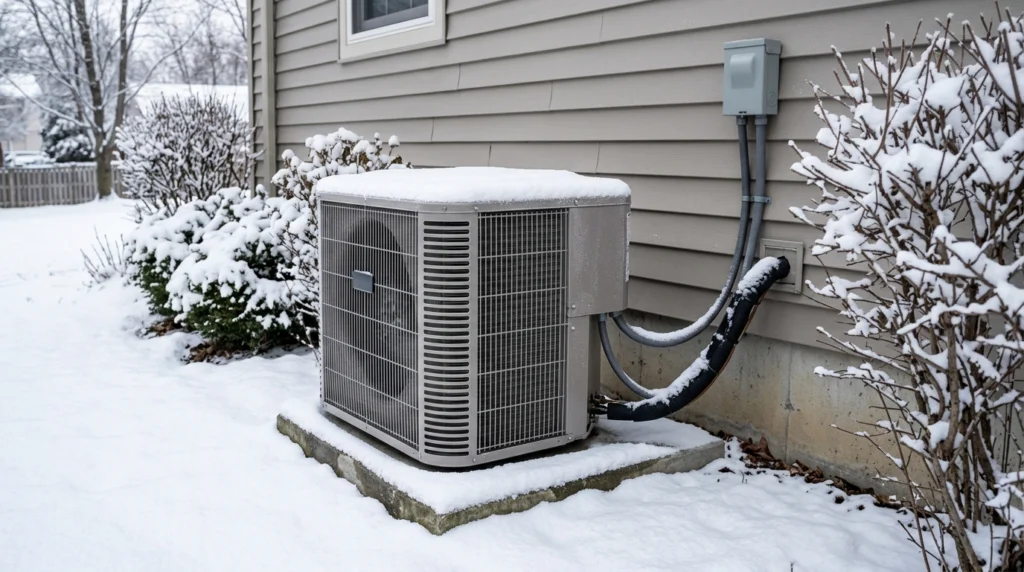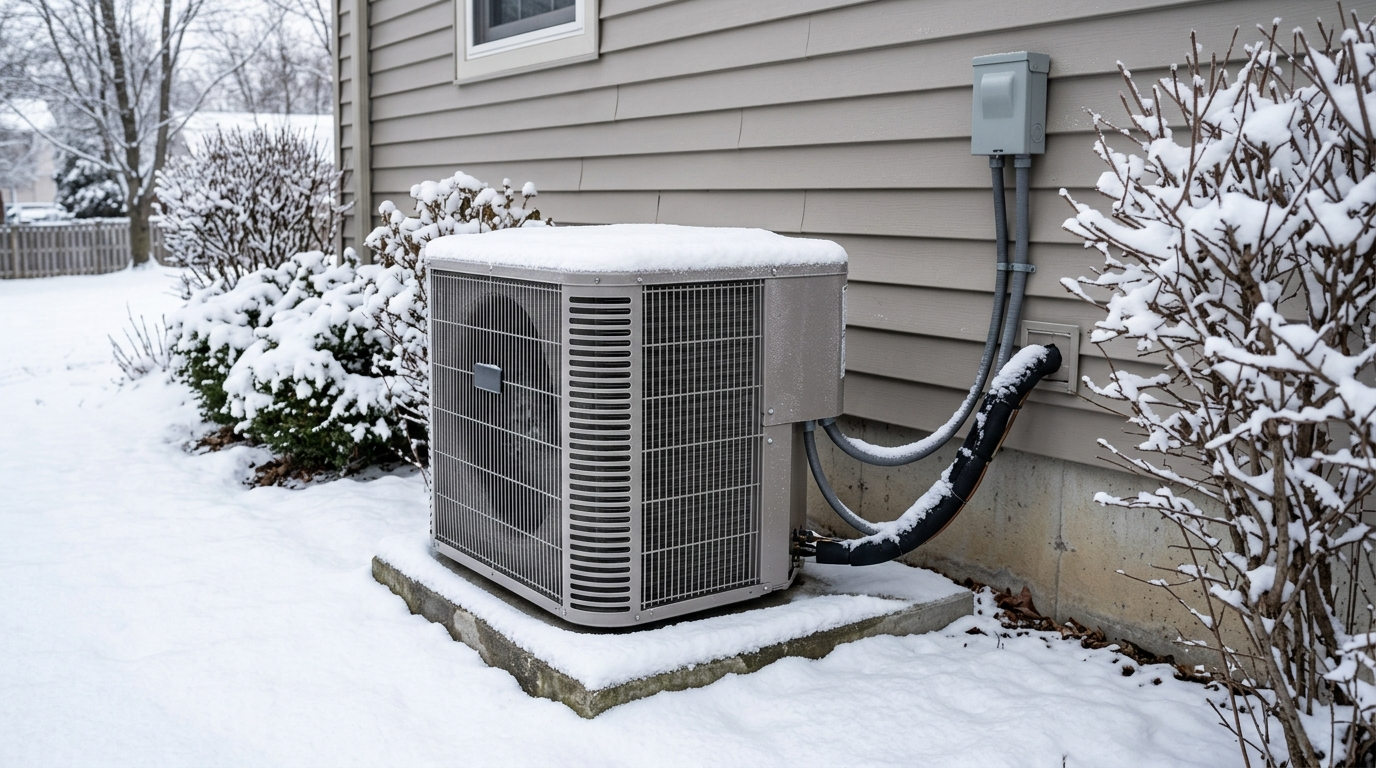
Yes, modern cold-climate heat pumps and ductless mini-splits can provide reliable heating through much of Iowa’s winter, including temperatures well below freezing. However, their heating capacity and efficiency generally decrease as outdoor temperatures fall.
Whether a heat pump can heat your entire home during subzero conditions depends on the model, your home’s insulation, and how the system is designed. Some homes may benefit from backup heating.
The question for Central Iowa homeowners is whether the equipment can deliver enough heat when temperatures are at their worst.
What Happens to a Heat Pump When Iowa Temperatures Drop Below Zero?
On January 23, 2026, temperatures in Des Moines dropped to -12°F, according to the National Weather Service.
That’s the kind of morning when you need your heating system to do more than simply turn on.
Heat pumps work by transferring heat from outdoor air into your home. Even freezing air contains usable heat, but extracting it becomes more challenging as temperatures fall.
How Well Do Cold-Climate Heat Pumps Actually Perform?
Modern cold-climate models are designed to handle lower temperatures than many conventional heat pumps.
For perspective, ENERGY STAR-certified cold-climate heat pumps must retain at least 70% of their rated 47°F heating capacity at 5°F while meeting minimum efficiency requirements.
That’s encouraging, but it doesn’t tell you how a particular model will perform at -10°F.
A heat pump that can operate in extreme cold isn’t necessarily capable of heating your entire home at that temperature.
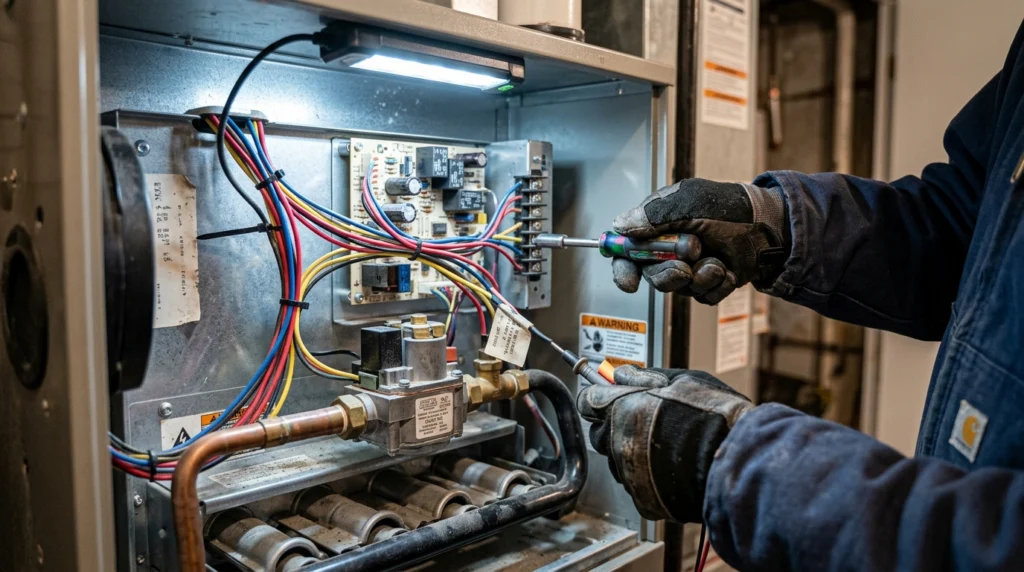
That’s why an HVAC contractor should compare the equipment’s low-temperature heating capacity with your home’s actual heating needs.
Can a Ductless Mini-Split Heat an Entire Iowa Home?
It can, but the layout of your home matters just as much as the outdoor temperature.
Ductless mini-split heat pumps use the same basic heating technology as central heat pumps. Instead of distributing warm air through ductwork, they deliver it through indoor units.
They’re particularly useful for:
- Finished basements that stay chilly in winter
- Room additions without existing ductwork
- Older homes where installing ducts would be difficult
- Rooms that need more independent temperature control
However, one indoor unit may struggle to distribute heat through a house with multiple bedrooms and closed doors.
A properly designed multi-zone system may work for whole-home heating, but each room’s heating requirements and the equipment’s cold-weather performance must be considered.
For an older Des Moines home with drafty windows and limited insulation, those calculations become especially important.
Will You Need Backup Heat During an Iowa Winter?
Not every heat pump installation requires the same backup heating arrangement.
Some properly sized cold-climate systems can meet a home’s heating demands without supplemental heat. Others may need electric auxiliary heating or a second heating source during extreme cold.
Is a Dual-Fuel System a Better Option?
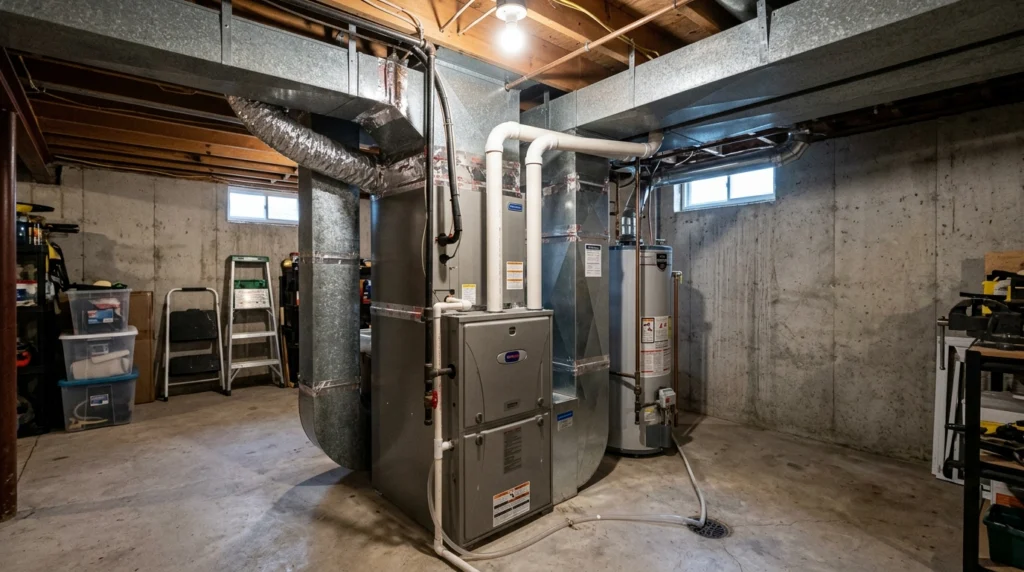
If your home already has a gas furnace, a dual-fuel system may be worth considering.
It pairs an electric heat pump with a gas furnace, allowing the heat pump to handle suitable outdoor conditions while the furnace takes over when needed.
This can provide flexibility during Central Iowa’s colder stretches.
However, backup heating isn’t automatically necessary for every home. The decision should depend on heating load calculations, equipment performance, and your comfort priorities.
Will a Heat Pump Cost Less to Run Than a Gas Furnace?
Possibly, but don’t assume impressive efficiency ratings automatically mean lower utility bills.
Heat pumps can offer substantial operating savings compared with electric resistance heating. Comparing them with natural gas furnaces is more complicated.
Before investing, consider:
- Electricity and gas rates: Which energy source costs less for the heat your home needs?
- Low-temperature efficiency: How does the equipment perform during colder weather?
- Installation costs: Will you need electrical upgrades, new equipment, or backup heating?
A heat pump might be an excellent comfort upgrade without necessarily being the cheapest heating option for every household.
Which Heating Setup Makes Sense for Your Home?
Rather than starting with equipment brands, start with what your home needs.
| Your situation | Option worth evaluating |
| Reliable gas furnace, but interested in heat pump heating | Dual-fuel system |
| Cold basement or room addition | Ductless mini-split |
| Replacing aging heating and cooling equipment | Cold-climate heat pump |
| Concerned about subzero heating capacity | Heat pump with appropriately designed backup |
Before choosing, ask your contractor: How much heat can this system deliver at 5°F and below, and is that enough for my home?
A proper heating load calculation and manufacturer performance data should help answer that question.
Frequently Asked Questions
Why does heat pump air feel cooler than furnace air?
Heat pumps often deliver air at a lower temperature than gas furnaces. The air can feel less hot at the vents while still warming your home effectively.
Is it normal for a heat pump to run constantly in cold weather?
Longer heating cycles can be normal during very cold weather. However, if the system runs continuously without maintaining the thermostat setting, it may need evaluation.
Should I turn off my mini-split when temperatures drop below zero?
Not simply because it’s below zero. Follow the manufacturer’s operating limits and your system’s heating plan. Turning it off unnecessarily may leave your home without adequate heat.
What happens when a heat pump enters defrost mode?
The system temporarily reverses operation to remove frost from the outdoor coil. You may notice steam, a change in sound, or a brief interruption in heating. These can be normal.
Make Sure Your Heating System Can Handle an Iowa Winter
Heat pumps and mini-splits have come a long way, and Iowa winters don’t automatically rule them out. But there’s a difference between equipment that can operate in cold weather and a system that’s properly designed to keep your home comfortable.
Before making the switch, it’s worth understanding your home’s heating needs, the equipment’s limitations, and whether backup heat makes sense.
Lenz Heating & Cooling has helped Des Moines-area homeowners make informed heating decisions since 2009. We’ll help you understand your options and choose equipment that fits your home rather than paying for features you don’t need.
Considering a heat pump? Contact Lenz Heating & Cooling to schedule a free estimate and discuss your home’s heating needs.