A new gas furnace in Des Moines typically costs approximately $4,000 to $10,000 installed, with premium systems or complex installations sometimes exceeding $12,000. These are planning estimates based on 2026 market pricing, not confirmed 2027 rates.
Here’s what homeowners can expect when budgeting for furnace replacement in 2027:
| Furnace type | Estimated installed cost |
| Standard-efficiency gas furnace | 3,800-6,200 |
| Higher-efficiency gas furnace | 5,200-8,800 |
| Premium high-efficiency furnace | 7,500-12,000+ |
These ranges reflect published 2026 national installation estimates. Actual Des Moines pricing will depend on the equipment, installation requirements, and market conditions in 2027.
Why Can Two Furnace Replacement Quotes Be Thousands of Dollars Apart?
You might receive a $5,000 estimate from one contractor and an $8,500 estimate from another. That doesn’t automatically mean someone is overcharging.
The difference often comes down to what’s included in the installation and the type of furnace being recommended.
Furnace Size and Features
A larger furnace generally costs more, but paying for extra heating capacity won’t necessarily make your home more comfortable.
An HVAC professional should calculate your home’s heating needs using its size, insulation, windows, and layout.
Equipment features matter, too. A basic single-stage furnace usually costs less than a two-stage or modulating model designed to provide more consistent temperatures.
Installation Requirements
Your existing heating setup can make a significant difference in the final price.
Consider two Central Iowa homes:
- An older Des Moines home: Aging ductwork, limited furnace access, or outdated venting may require additional installation work.
- A newer home in Ankeny or Waukee: Existing infrastructure may simplify replacement, although equipment compatibility and heating requirements still need evaluation.
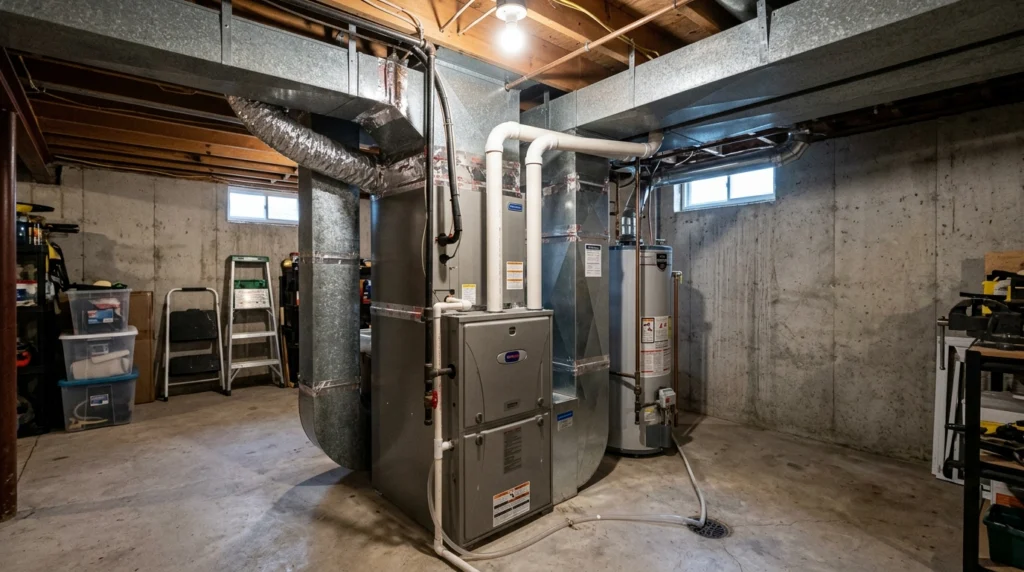
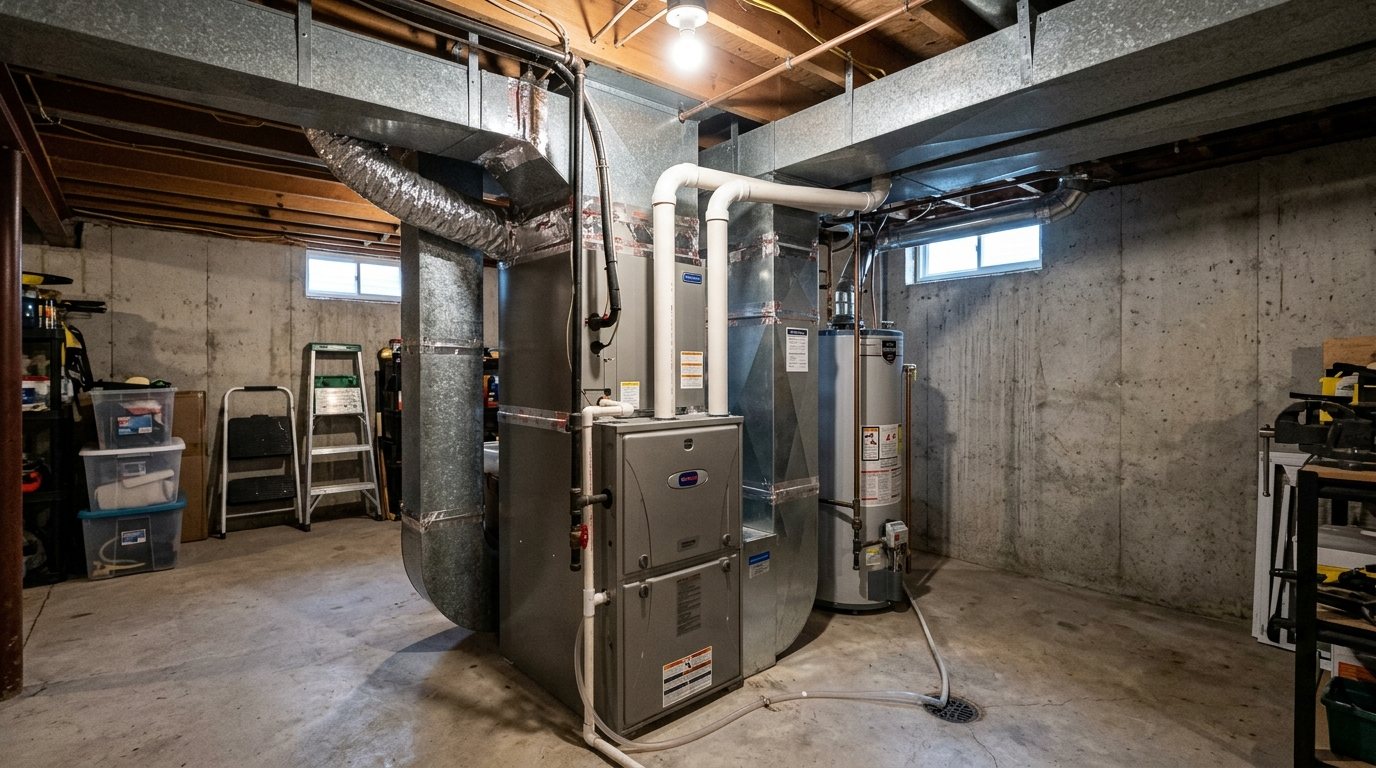
Even upgrading from an 80% AFUE furnace to a high-efficiency condensing model may require new exhaust venting and condensate drainage.
These details explain why a reliable estimate requires looking at the home rather than quoting a price based on square footage alone.
Is a More Expensive Furnace Actually Worth It?
For some homeowners, yes. For others, a moderately priced system may be the smarter investment.
One important consideration is Annual Fuel Utilization Efficiency (AFUE), which measures how efficiently a furnace converts fuel into usable heat.
For example, a 95% AFUE furnace uses less fuel to deliver the same amount of heat than an 80% AFUE model.
According to the U.S. Department of Energy, higher-efficiency furnaces can reduce lifetime heating costs.
But efficiency isn’t the only reason to spend more.
Premium equipment may also offer quieter operation, more consistent indoor temperatures, and improved airflow control.
Before paying for an upgrade, ask how much the additional efficiency could realistically save on your heating bills. Central Iowa’s cold winters make efficiency important, but the best investment still depends on your home’s needs, energy costs, and budget.
Should You Replace Your Furnace or Repair It?
An aging furnace doesn’t automatically need replacing.
If your system is relatively young, heats your home consistently, and needs an affordable repair, keeping it may make financial sense.
However, replacement becomes worth considering when:
- Your furnace is approaching or exceeding 15–20 years.
- Major repairs are becoming more frequent.
- Heating bills are increasing without an obvious explanation.
- Certain rooms struggle to stay warm.
- Repair costs are substantial compared with the price of replacement.
If your furnace is still operating but showing its age, planning ahead gives you more time to compare options.
That’s especially valuable in Des Moines, where an unexpected breakdown during freezing winter weather can leave you making an expensive decision under pressure.
What Should Be Included in Your Furnace Replacement Estimate?
Before accepting a quote, make sure you understand exactly what you’re purchasing.
A complete estimate should clearly address:
- Equipment details: Furnace model, heating capacity, efficiency rating, and features
- Installation costs: Labor, removal of the old furnace, and necessary modifications
- Additional requirements: Applicable permits, venting, gas connections, and ductwork adjustments
- Warranty coverage: Manufacturer parts warranty and contractor labor warranty
- Final pricing: What’s included and what could result in additional charges
Don’t hesitate to ask why a particular furnace is being recommended.
A good contractor should be able to explain the recommendation without pressuring you toward the most expensive option.
How Can You Make Furnace Replacement More Affordable?
Start by getting a detailed estimate and asking about available financing options.
You can also check whether your utility provider offers qualifying equipment incentives. For example, MidAmerican Energy has offered residential efficiency rebates in Iowa, although 2027 eligibility and program availability should be confirmed before purchasing.
One important budget consideration: the previous federal Energy Efficient Home Improvement Credit does not apply to qualifying property placed in service after December 31, 2025, under current law.
Frequently Asked Questions
How long does it take to install a new furnace?
Most straightforward residential furnace replacements can be completed in one day. Installations requiring extensive ductwork, venting modifications, or other upgrades may take longer.
Do I need to replace my air conditioner when replacing my furnace?
Not necessarily. Furnaces and air conditioners can often be replaced separately. However, your contractor should confirm that the new furnace and existing cooling equipment are compatible.
Does a new furnace come with a warranty?
Most new furnaces include manufacturer warranty coverage, although terms vary by brand and model. Ask whether registration is required and whether installation labor is covered separately.
Can I get a second opinion on a furnace replacement quote?
Yes. Comparing estimates can help you understand equipment differences, installation requirements, and pricing. Make sure each contractor is quoting comparable work before deciding.
Get Clear Answers Before Investing in a New Furnace
A new furnace is a major investment, and the right choice depends on more than finding the lowest price. Understanding what affects installation costs, comparing equipment options, and reviewing your estimate carefully can help you avoid unnecessary expenses.
At Lenz Heating & Cooling, we’ve helped homeowners throughout Des Moines and surrounding Central Iowa communities make informed heating decisions since 2009. As a family-owned, veteran-owned, and woman-owned company, we believe homeowners deserve straightforward recommendations and transparent pricing.
Thinking about replacing your furnace? Contact Lenz Heating & Cooling to schedule a free, no-obligation furnace replacement estimate and find out what makes sense for your home and budget.